Types of Dyslexics – Combined Learning Differences
Are you sure you’re just dyslexic? Studies show that over 62% of dyslexics have a combination of different learning differences.
Continue readingNews & Views from Davis Dyslexia Association International
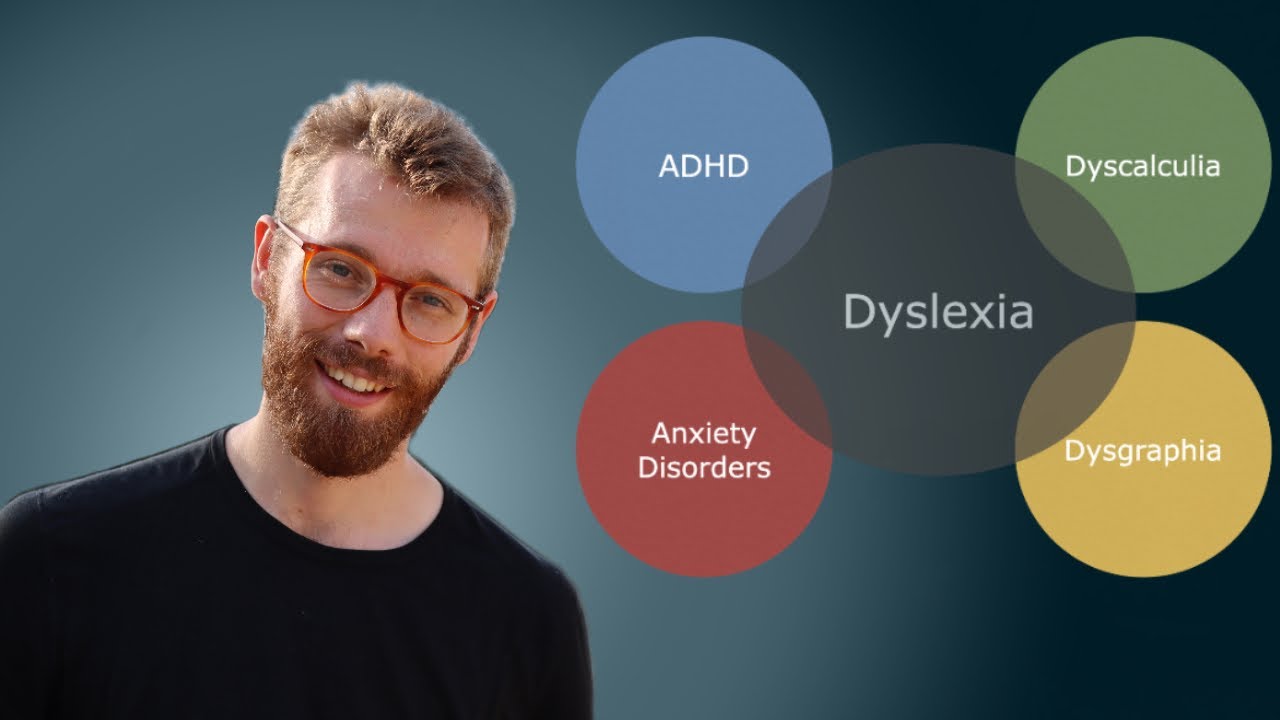
Are you sure you’re just dyslexic? Studies show that over 62% of dyslexics have a combination of different learning differences.
Continue reading
Recently I had a wonderful 10-year-old boy on an attention mastery program. Let’s say the boy’s name was Misha. Misha
Continue reading
In 2018, I was fortunate enough to participate in counseling sessions for parents of dyslexics. One day, a parent said
Continue reading
The Davis method dives deep into dyslexia and learning disabilities.
Continue reading
The British Dyslexia Association says that dyslexic children cannot learn to read from phonics teaching alone.
Continue reading
Dyslexic children who fall behind in the early years of their schooling usually perform poorly on tests of phonemic awareness or phonetic decoding.
Continue reading
Studies have shown that some consider accommodations unfair, especially when the individual performs well. Still, there are many reasons why
Continue reading
Visual note-taking is a great way to boost memory performance for anybody who is willing to try. We are able
Continue reading
In the mid-19th century, we defined dyslexia as an unexpected underachievement in otherwise intelligent individuals. The disagnosic statistic manual for
Continue reading
Brain researchers recently explored whether dyslexic children had stronger emotional reactions than non-dyslexic children.
Continue reading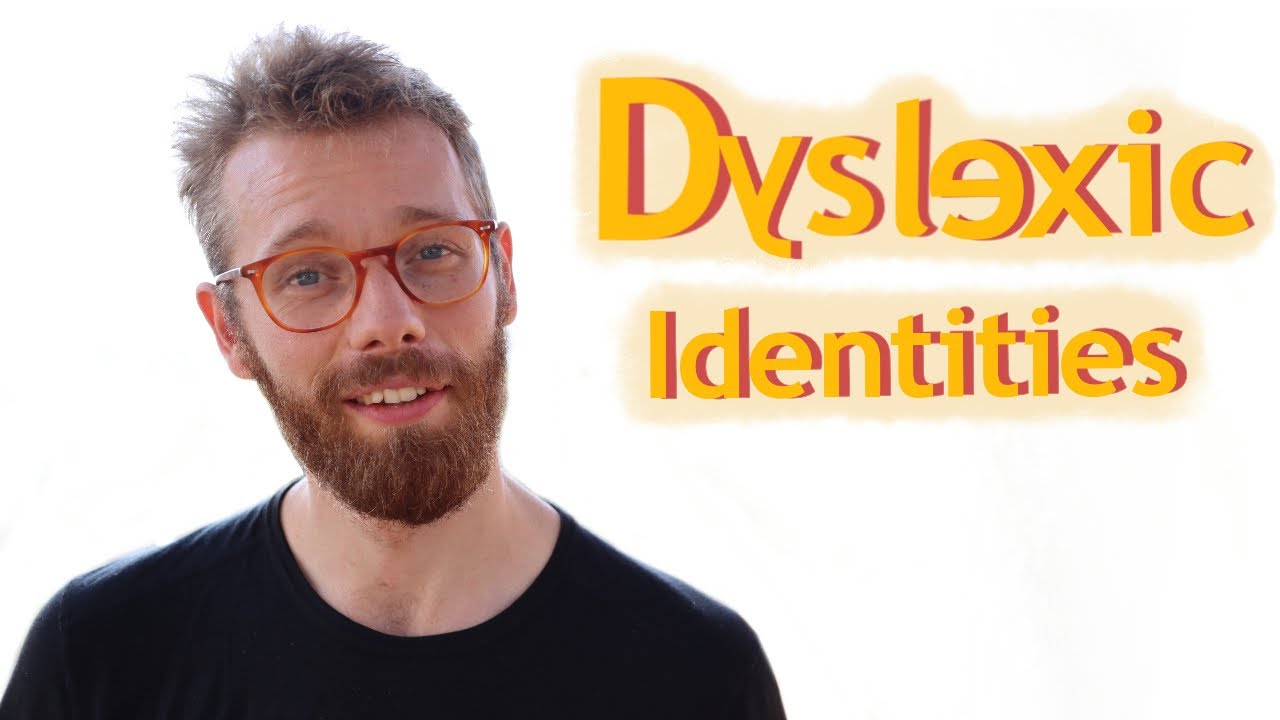
Researchers identified three different types of dyslexic identities. The first group sees themselves as differently enabled. In a group with
Continue reading
Is dyslexia a disability?” Yes, officially dyslexics carry the label “disabled.” Dyslexia is explicitly mentioned as a disability in the
Continue reading 7 Every Dyslexic Entrepreneur Needs to Know (Nobody Told Us This)
Let’s talk about the stuff no one tells you when you’re a dyslexic entrepreneur. Not the fluffy motivational stuff. The real
 7 Dyslexic Realisations That Changed My Life
I was diagnosed with dyslexia at 10. Then I left school. And I genuinely thought that was the end of it.
 Dyslexia and Entrepreneurship: 5 Lessons Every Dyslexic Entrepreneur Needs to Know
A lot of dyslexics end up in business. Sometimes by choice. Sometimes because employment just never quite fit. Sometimes because we
 Dyslexia and Comprehension: When the Words Don’t Stick
Is Dyslexia just about words moving on a page? What if it was more about the comprehension of letters and words the mind is processing? It can lead to getting tired easier and so much more. We dig deeper in this article.
 The Cocktail of ADHD, Dyslexia and Autism
When we talk about neurodiversity, most people want clean labels. You’re “dyslexic” or you’ve got “ADHD” or maybe someone says you’re
