Are You a Dyslexic Perfectionist?
Perfectionism and dyslexia are connected. Perfectionism seems to develop during childhood when acceptance, approval, and affection are lacking.
Continue readingNews & Views from Davis Dyslexia Association International

Perfectionism and dyslexia are connected. Perfectionism seems to develop during childhood when acceptance, approval, and affection are lacking.
Continue reading
Is my child ready to start first grade? This question is asked by every parent. If we are talking about a child with neurodivergent development, then I believe the later the better.
Continue reading
Dyslexic children often experience difficulty with phonetic decoding. Researchers and educators use nonsense words – also called nonwords or psuedowords
Continue reading
My work as a Davis Facilitator is a journey of discovery every time. Each client brings his or her own problems and therefore needs a solution that suits him or her exactly.
Continue reading
In this 30-minute session, we look at two areas of common challenge when managing neurodiverse teams – Time Management and
Continue reading
Educators use the term “orthographic mapping” to describe the way that written words are etched into long-term memory. Once a person has “mapped” a word, they will be able to recognize the word instantly by sight
Continue reading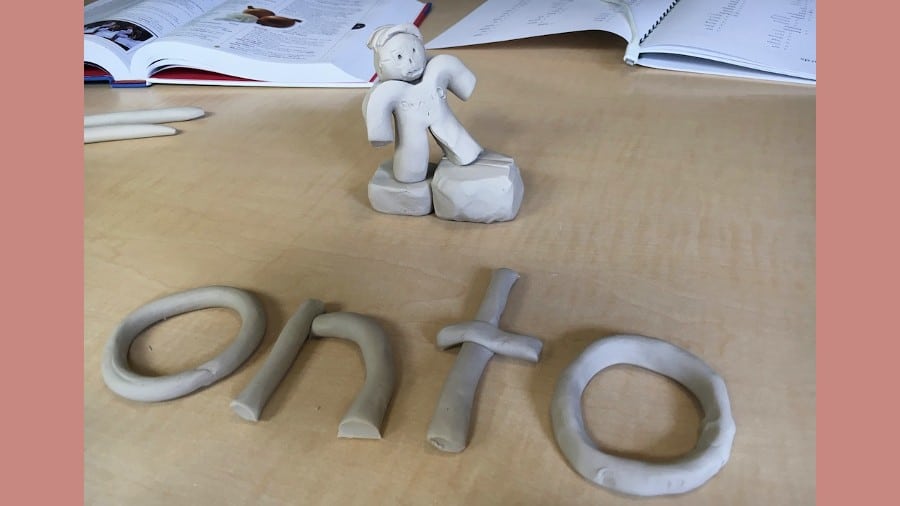
Sharing how to learn words and language through meaning first. This clay model created by an adult client shows the meaning of ‘onto’ beautifully and with a sense of movement,
Continue reading
Dyspraxia affects your everyday life also in adulthood. This dyspraxia test for adults can be a good start to discovering
Continue reading
My latest Davis program is full of beautiful aha moments for my client. This time it’s a boy who at first said that he didn’t want to change anything.
Continue reading
The potential always lies within the individual. Sometimes they just need a key to unlock it. That is the beauty of the Davis tools.
Continue reading
Good mental health is often linked to being resilient. Resiliency is the ability to bounce back from difficult life experiences
Continue reading
What happens when a child cannot learn to read through phonics? Educational researchers call those children nonresponders or treatment-resisters. But is the problem with the child or with the teaching method?
Continue reading Dyslexia and Entrepreneurship: 5 Lessons Every Dyslexic Entrepreneur Needs to Know
A lot of dyslexics end up in business. Sometimes by choice. Sometimes because employment just never quite fit. Sometimes because we
 Dyslexia and Comprehension: When the Words Don’t Stick
Is Dyslexia just about words moving on a page? What if it was more about the comprehension of letters and words the mind is processing? It can lead to getting tired easier and so much more. We dig deeper in this article.
 The Cocktail of ADHD, Dyslexia and Autism
When we talk about neurodiversity, most people want clean labels. You’re “dyslexic” or you’ve got “ADHD” or maybe someone says you’re
 Time for a Change
This awesome mother supported her son as he went through his course with me. She booked him in wanting help with his self-regulation. The outcome was “a calm, reasonable boy – and happy.”
 Dyslexia Q&A: Advice for Parents
This is the final installment of a seven-video series from an interview style Q & A session. This video is focused on how parents can better understand and help their kids.
