The Sociology of Dyslexia
Dyslexia is often considered purely in a medical or biological sense. The social model also explores social, cultural and political concerns.
Continue readingNews & Views from Davis Dyslexia Association International

Dyslexia is often considered purely in a medical or biological sense. The social model also explores social, cultural and political concerns.
Continue reading
A short video about the differences between word-based and visual thinking, produced by Australian educator Brenda Baird (Davis Facilitator, retired
Continue reading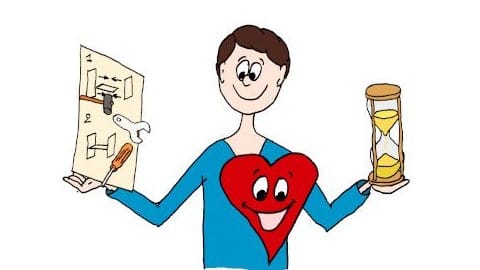
Very young children are hungry for everything they can learn. But sometimes this thirst for knowledge dries up, the child
Continue reading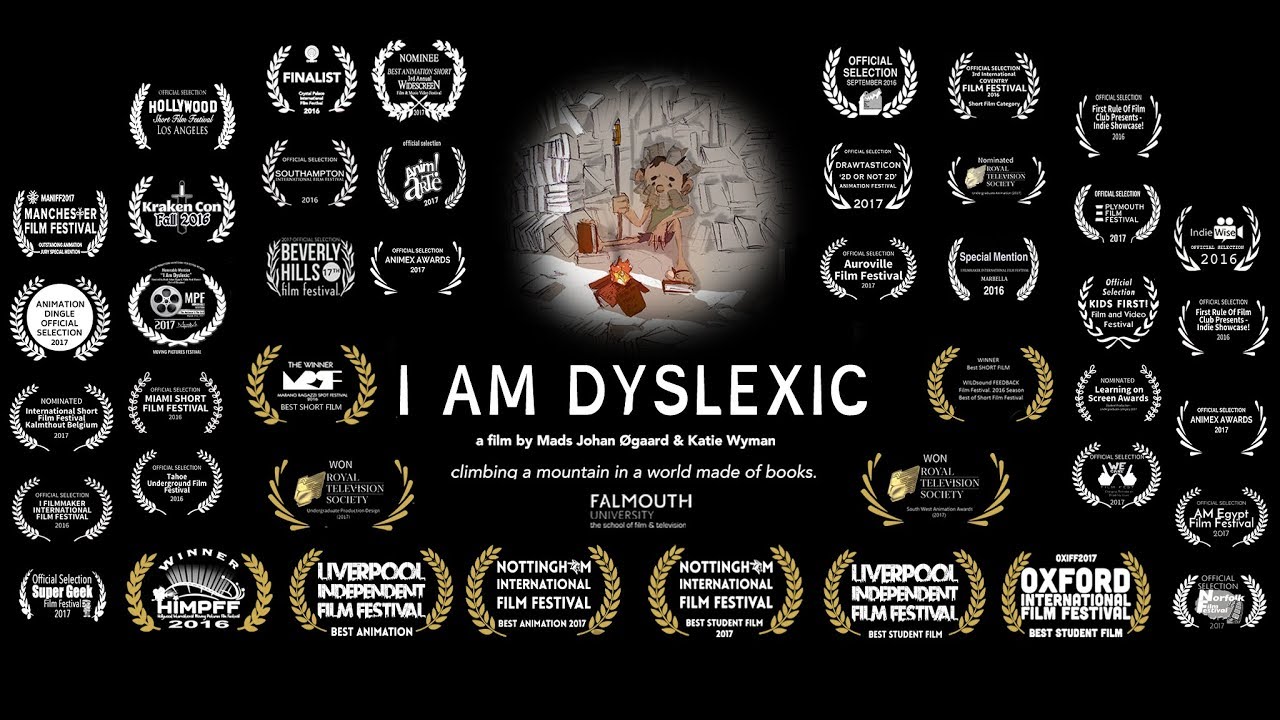
This award-winning film by Norwegian artist and educator Mads Johan Øgaard, inspired by his own struggles and feelings as a
Continue reading
A parent asks how to include Davis techniques within a school-based IEP.
Continue reading
A parent of a second-grader writes: My son had a big gain in reading after completing his Davis program week,
Continue reading
In this 30 minute interview, author and educator Lois Letchford shares her insights and unique approach to helping dyslexic schoolchildren
Continue reading
A girl told me a few days ago: “It’s strange, when I read in my classes or I listen to
Continue reading
The majority of kids could tackle a question like this with ease. However, children with dyslexia may stumble over such
Continue reading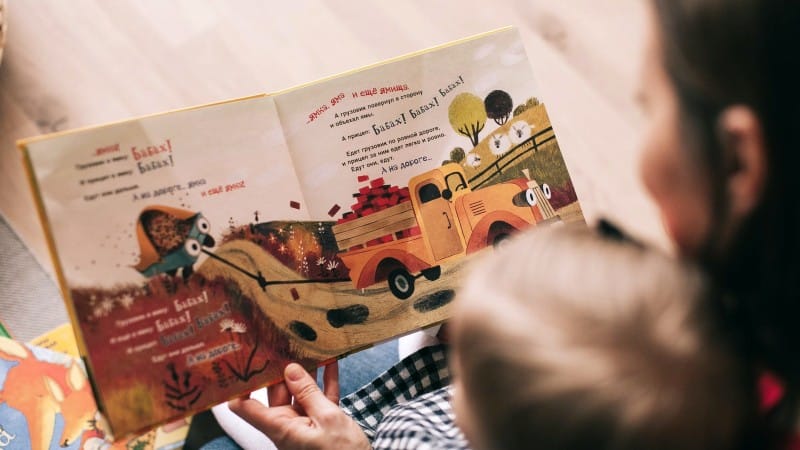
[Updated] Reading story books to small children is fun, but did you know that the way you read can make a big difference in preparing your child to become a reader?
Continue reading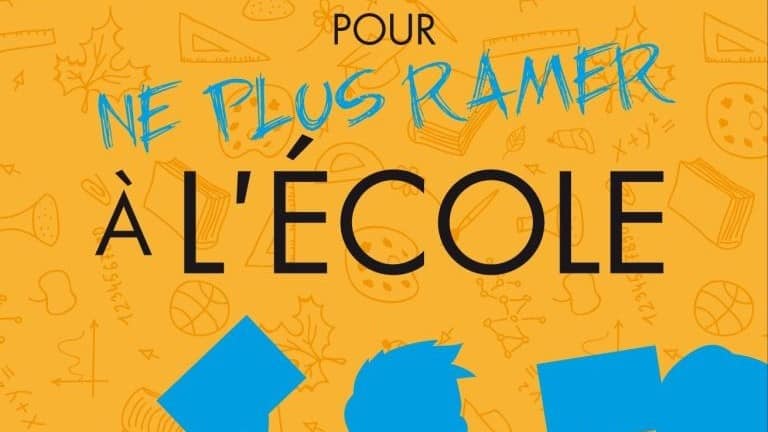
When we talk about “learning styles”, what we mean is the notion that students learn better when the course content is
Continue reading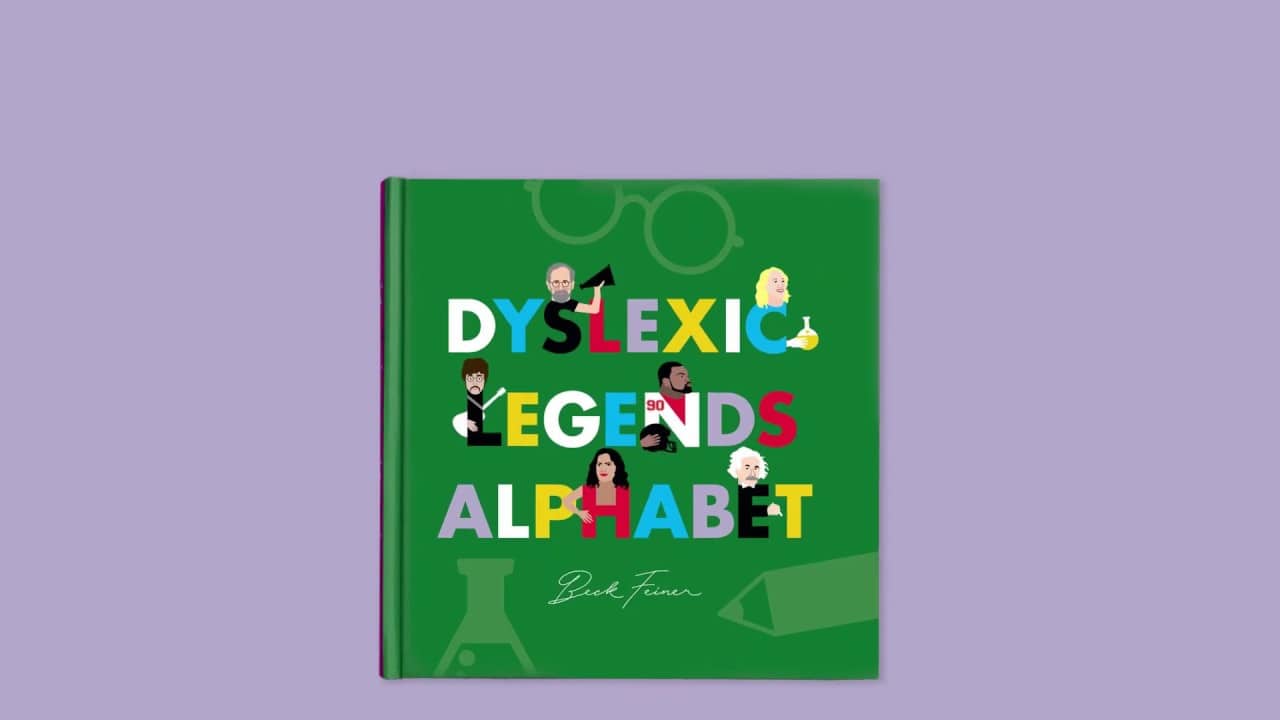
This is a fun and informative way to explore the accomplishments of dyslexic achievers. To learn more, visit the publisher’s
Continue reading 7 Every Dyslexic Entrepreneur Needs to Know (Nobody Told Us This)
Let’s talk about the stuff no one tells you when you’re a dyslexic entrepreneur. Not the fluffy motivational stuff. The real
 7 Dyslexic Realisations That Changed My Life
I was diagnosed with dyslexia at 10. Then I left school. And I genuinely thought that was the end of it.
 Dyslexia and Entrepreneurship: 5 Lessons Every Dyslexic Entrepreneur Needs to Know
A lot of dyslexics end up in business. Sometimes by choice. Sometimes because employment just never quite fit. Sometimes because we
 Dyslexia and Comprehension: When the Words Don’t Stick
Is Dyslexia just about words moving on a page? What if it was more about the comprehension of letters and words the mind is processing? It can lead to getting tired easier and so much more. We dig deeper in this article.
 The Cocktail of ADHD, Dyslexia and Autism
When we talk about neurodiversity, most people want clean labels. You’re “dyslexic” or you’ve got “ADHD” or maybe someone says you’re
